
Choose a scenario
Five real incidents and two invented days. They take 40 to 55 minutes and need no specialist knowledge. If you’re not sure where to start, Fog at Los Rodeos is a good first choice.
Real incidents, exploring the choices real people made
Five days that really happened, with the people and places masked until the reveal. The group makes the choices the people faced, then compares them with the record.
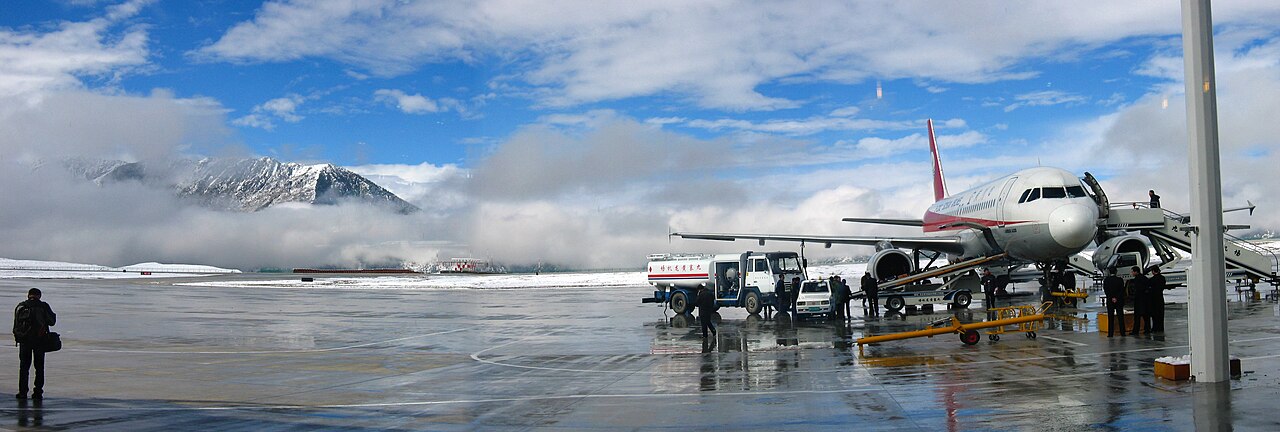 Fog at Los RodeosGood first choiceTwo jumbo jets on one runway as cloud rolls in.Aviation, 1977About 40 minutesStart
 The Long ShiftA children’s unit short of doctors, on a day when the systems around them failed.Content note: a child dies.Healthcare, 2011About 45 minutesStart
 The Summit WindowTwo commercial expeditions, a turnaround time and a storm.Mountaineering, 1996About 45 minutesStart
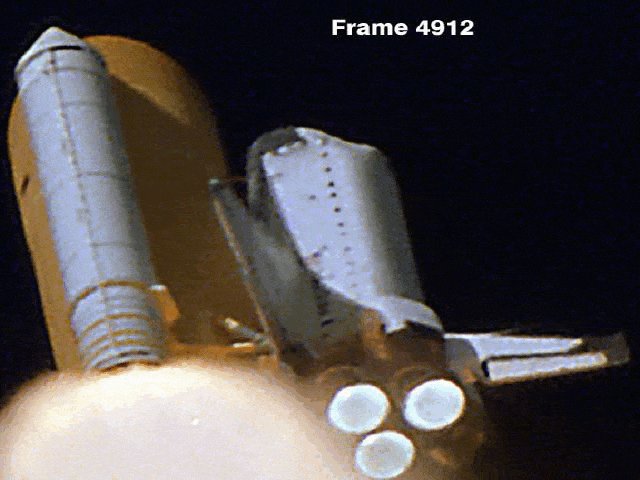 The Foam StrikeA crewed mission in orbit, and a week of meetings about a blurry launch video.Spaceflight, 2003About 45 minutesStart
 Before the BellA trading firm, a fixed launch date and eight servers. Written for technology teams.Technology, 2012About 40 minutesStart
Invented days, where your choices change the story
Two invented days built from patterns in real incidents. The group’s choices set things in motion that show later; some careful-looking choices go badly and some risky ones come off; two decisions have no good option. There is no score and no winning route: think Kobayashi Maru, the Star Trek test nobody can pass, because the point is how people meet it. Running two tables? Give one hard mode and one easy mode, and compare at the end.
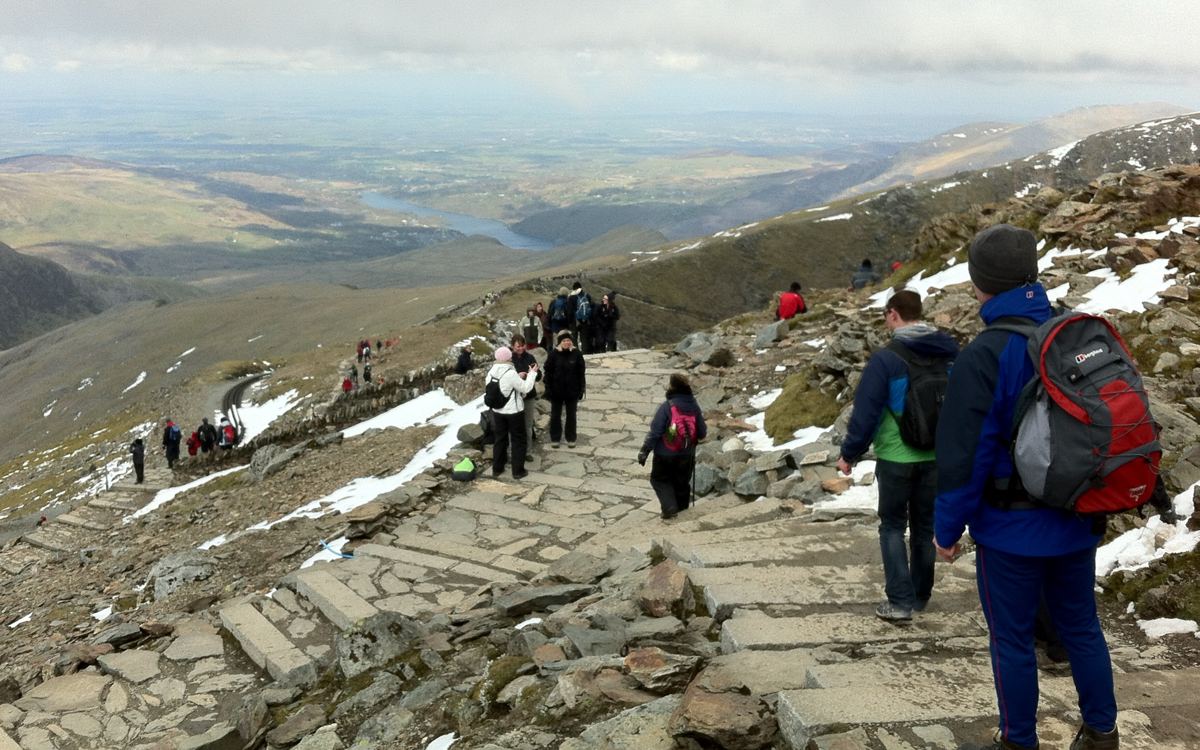 The ResidentialNewThirty teenagers, three adults, a ridge walk and a forecast that changed. Nobody dies in any version.Outdoor education, fictionalAbout 55 minutesStart
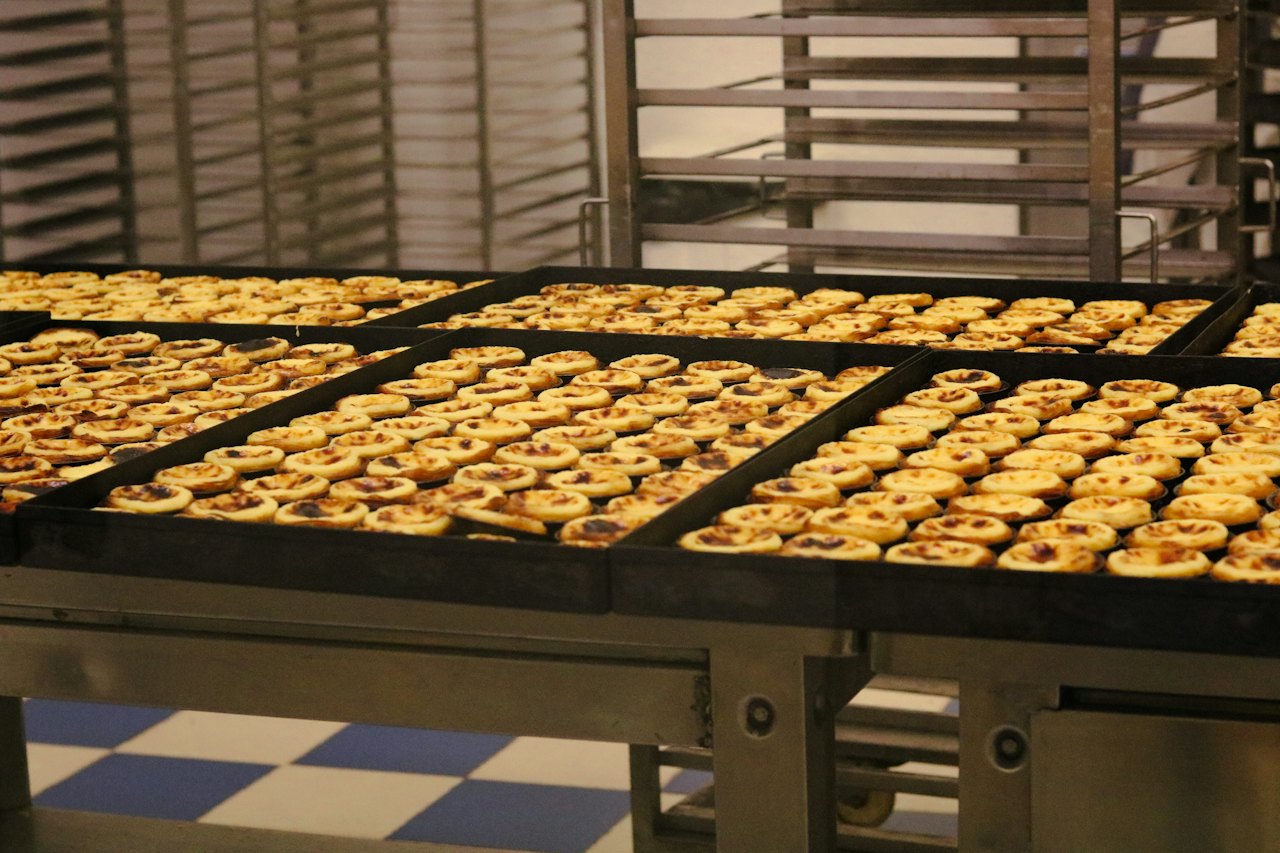 The Night OrderNewA cake factory two short on the night shift, a supermarket order, and a machine only one person really knows.Content note: one ending is an injury.Manufacturing, fictionalAbout 55 minutesStart
These are prototypes. Tell us what works and what doesn’t.
Each real incident can be debriefed three ways, chosen on its briefing screen: the standard debrief, a quick 20 to 30 minute debrief, or a learning team. To run a learning team on something from your own work, use the learning team guide.
Images: An airport in fog · Kenneth Lu · CC BY 2.0 · Wikimedia CommonsA hospital corridor · Tom Geraghty, used with permissionPhotographs of the Annapurna region, Nepal · Tom Geraghty, used with permissionA frame from the launch video · NASA · Public domain · WikipediaServer racks in a data centre · Carl Lender · CC BY 2.0 · Wikimedia CommonsA busy hill path · Tom Geraghty, used with permissionA bakery production line · Sina Reinartz · Unsplash